

Simple Tips for Zero-Waste Camping With Minimal Environmental Impact


When planning your next camping adventure, have you considered how to minimize your environmental impact while enjoying the great outdoors? By implementing simple tips for zero-waste camping, you can significantly reduce the footprint you leave behind. From packing reusable gear to adopting mindful meal planning strategies, each step plays a vital role in preserving nature for future generations. So, what are these practical tips, and how can they make a difference during your outdoor escapades?
Essential Reusable Camping Gear
To minimize waste while camping, prioritize packing essential reusable gear such as a durable water bottle and a multi-purpose utensil set. These items aren’t only eco-friendly but also practical for your outdoor adventures.
Opt for a sturdy water bottle that can withstand rugged use and keep your drinks cold or hot for hours. By refilling it at water stations or natural water sources, you can avoid single-use plastic bottles.
A multi-purpose utensil set including a fork, knife, and spoon is essential for eating meals without relying on disposable cutlery. Look for compact sets that come in a convenient carrying case for easy storage.
Additionally, investing in a quality food container can help you store leftovers or snacks, reducing the need for disposable bags or wraps. Choose a container that’s lightweight, leak-proof, and easy to clean for hassle-free camping meals.
Mindful Meal Planning Tips
When planning your meals for camping, consider selecting versatile ingredients that can be used in multiple dishes to simplify your cooking process and reduce food waste. Opt for staples like rice, quinoa, or pasta that can serve as a base for various meals. Pack a variety of vegetables that can be used in salads, wraps, stir-fries, and side dishes. Choose ingredients that have a longer shelf life to minimize the chances of them going bad before use.
Plan your meals ahead of time to ensure you only bring what you need. Preparing marinades or spice mixes at home can help you cut down on excess packaging and waste at the campsite. Opt for reusable containers to store your food instead of disposable plastic bags or wraps.
Consider bringing a small set of reusable utensils, plates, and cups to avoid single-use items. If possible, try cooking over a campfire using eco-friendly cookware like cast iron pans or stainless steel pots. By being mindful of your meal planning, you can enjoy delicious camping meals while minimizing your environmental impact.
Waste-Free Personal Care Products
Consider upgrading your camping experience by incorporating waste-free personal care products to further reduce your environmental footprint. When packing for your trip, opt for biodegradable soap bars or shampoos that come in compostable packaging. These products not only minimize waste but also prevent harmful chemicals from entering water sources.
Instead of single-use items, such as disposable razors, choose a reusable safety razor with replaceable blades. This not only reduces the amount of trash generated but also saves you money in the long run. For dental hygiene, consider using a bamboo toothbrush with compostable bristles or a refillable toothpaste tablet container to eliminate plastic waste.
Additionally, swap out traditional sunscreen for a reef-safe, biodegradable option to protect both your skin and the environment. Look for products that come in recyclable or reusable containers to further lessen your impact. By making these simple switches to waste-free personal care products, you can enjoy a cleaner camping experience while minimizing your ecological footprint.
Leave No Trace Principles
Embrace the Leave No Trace principles to ensure minimal impact on the environment during your camping adventures. Follow these guidelines to preserve nature and keep the wilderness pristine for future generations.
Firstly, plan ahead and prepare by familiarizing yourself with the area’s regulations and unique ecosystems. Before heading out, pack lightweight and reusable gear to minimize waste generation. While on the trail, stick to designated paths to avoid trampling vegetation and causing soil erosion.
When setting up camp, choose durable surfaces like rocks or established camping areas to reduce your footprint. Remember to properly dispose of waste by packing out all trash, including food scraps and biodegradable items. Practice proper hygiene by using biodegradable soap away from water sources and disposing of greywater thoughtfully. Respect wildlife by observing from a distance and not feeding them human food, as it can harm their health and alter their natural behavior.
Camping

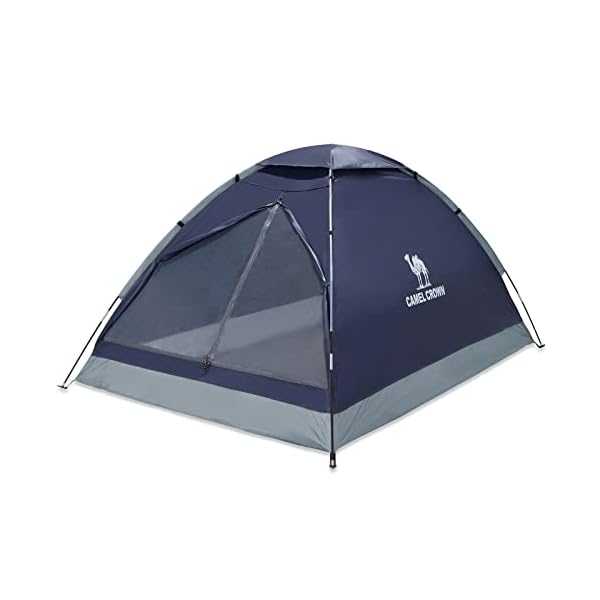
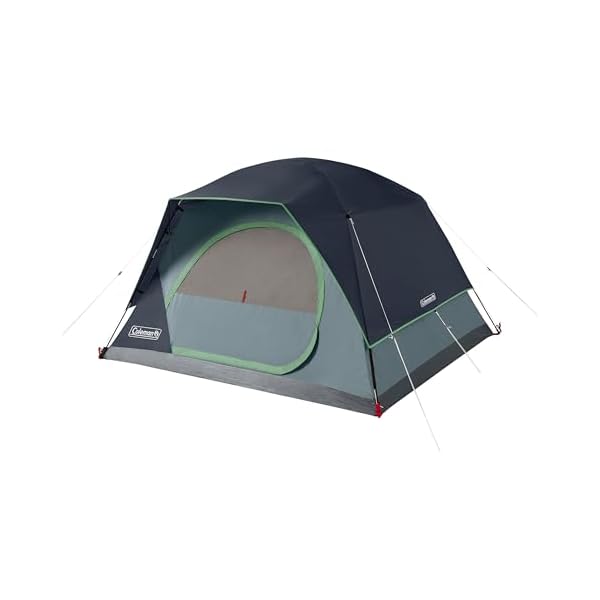


Coleman Evanston Tent with Screen Room, 6/8 Person Weatherproof Tent Sets Up in 15 Mins, Included Rainfly & Carry Bag, Made of PFAS-Free Materials
In stock
Original price was: $289.99.$228.99Current price is: $228.99.

Maelstrom Hiking Backpack,40L Waterproof Camping Backpack,Men Women Packable Hiking Daypack with Rain Cover,Lightweight Travel Backpack-Green
In stock
Original price was: $42.99.$36.54Current price is: $36.54.